Beacons, fog signals, and charted intervals reveal how mariners read this coast as a continuous route.
Northern Coast Lighthouses Archive
Lighthouse history along the northern shoreline, preserved in image, story, and place.
Explore archival photographs, keeper recollections, and a clear guide to towers that still stand against the coast.
-
Exposed headlands
Wind-cut cliffs and open sea approach.
-
Keeper routines
Night watches, lens care, weather logs.
-
Preserved towers
Surviving beacons mapped for reference.
ARCHIVE INTRODUCTION · NORTHERN COAST CORRIDOR
A connected shoreline of light, labor, and record.
This archive follows lighthouse stations as one shared coastal system—where navigation, upkeep, and lived memory moved from tower to tower across the northern edge.
Repair logs, station plans, and conservation notes trace what survives and how each structure endures.
Keeper recollections and family annotations keep weather, routine, and community life within view.
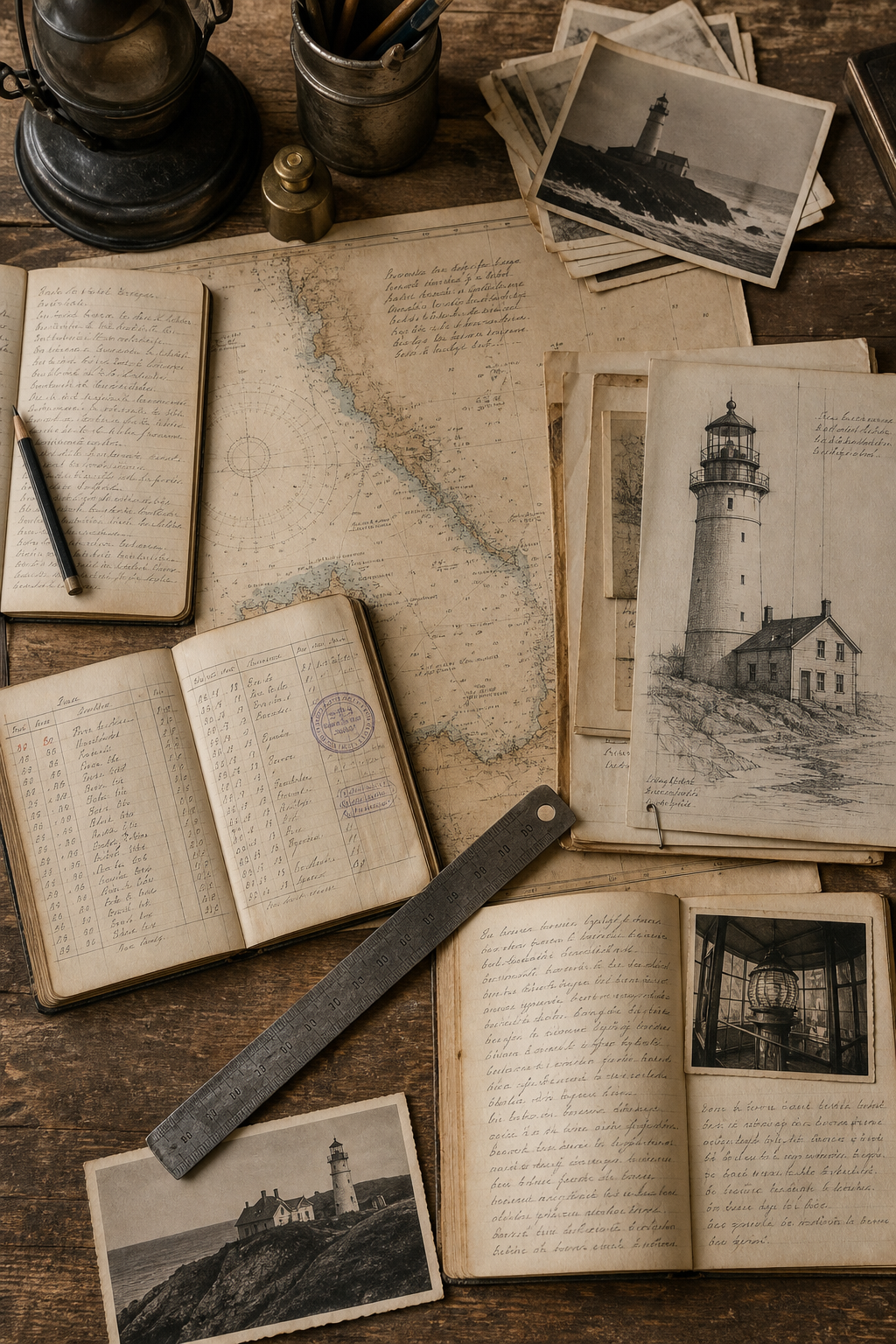
Coastline highlights
Exposed Headlands
Beacon sites mark windswept points where reefs and fog once tightened every approach.
Surviving Towers
Weathered masonry and iron lanterns still anchor the northern shoreline's visual memory.
Keeper Routines
Lamp care, log entries, and night watches defined the station's disciplined rhythm.
Preservation Effort
Community stewards and archives sustain careful repair, stewardship, and public memory.
Keeper stories from weather and watch
Daily logs, quiet routines, and rough-weather memory from towers that held their light through long nights on the northern coast.
Storm-watch duty · Cape Alder, 1938
When the glass shook and the horn kept time
During a three-night gale, keeper Elias Rowe logged wind shifts every half hour and checked the gallery bolts between squalls. His notes mention salt freezing on the rail and the lens room windows humming under pressure, yet the beam interval remained exact through each watch.
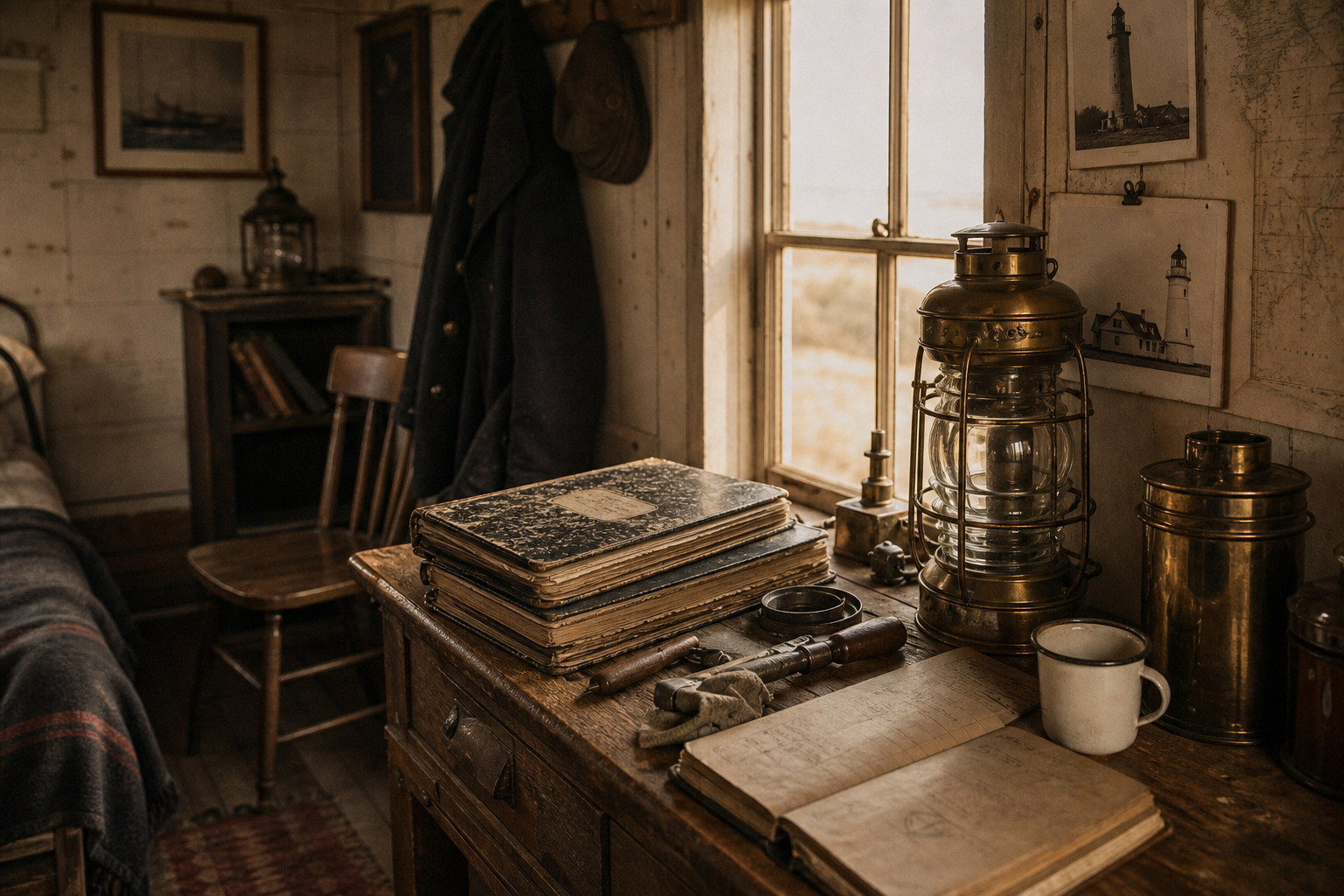
Lantern maintenance · North Bar, 1926
Polishing the lens before first dusk
Keeper Agnes Moore recorded wick trimming, clockwork checks, and prism cleaning as a two-hour routine before sunset. She marked each completed step in pencil so relief keepers could verify the beam train at a glance.
Winter isolation · Gull Reach, 1941
Six weeks between supply boats
In January ice, the station relied on stored coal and tinned provisions while surf blocked landing. A keeper's diary notes snow packed against the door and a nightly practice of reading aloud in the kitchen to keep morale steady.
Preserved towers directory
Surviving lighthouses along the northern coast
A quick reference to preserved stations, with concise notes on legacy, condition, and place along the shoreline.
Raven Point Light
First lit in 1869; keeper journals note frequent winter ice lantern tending.
Stabilized masonry
Outer Headland
North Spit Beacon
Cast-iron tower from 1884, retained after harbor rerouting in the 1930s.
Lantern restored
Harbor Approach
Gullmere Tower
Fog-bell foundation remains intact; light converted to electric service in 1922.
Interpreted site
Tidal Inlet
Bracken Cliff Light
Granite shaft completed in 1857; storm-scored stonework now under annual review.
Weathering monitored
Upper Escarpment
Stonewake Signal
Former wick-light station where relief keepers logged offshore drift passages.
Exterior conserved
Mid-Coast Reach
Cape Warden Light
Keeper house survives beside the tower, documenting family service into 1961.
Publicly accessible
Southern Verge
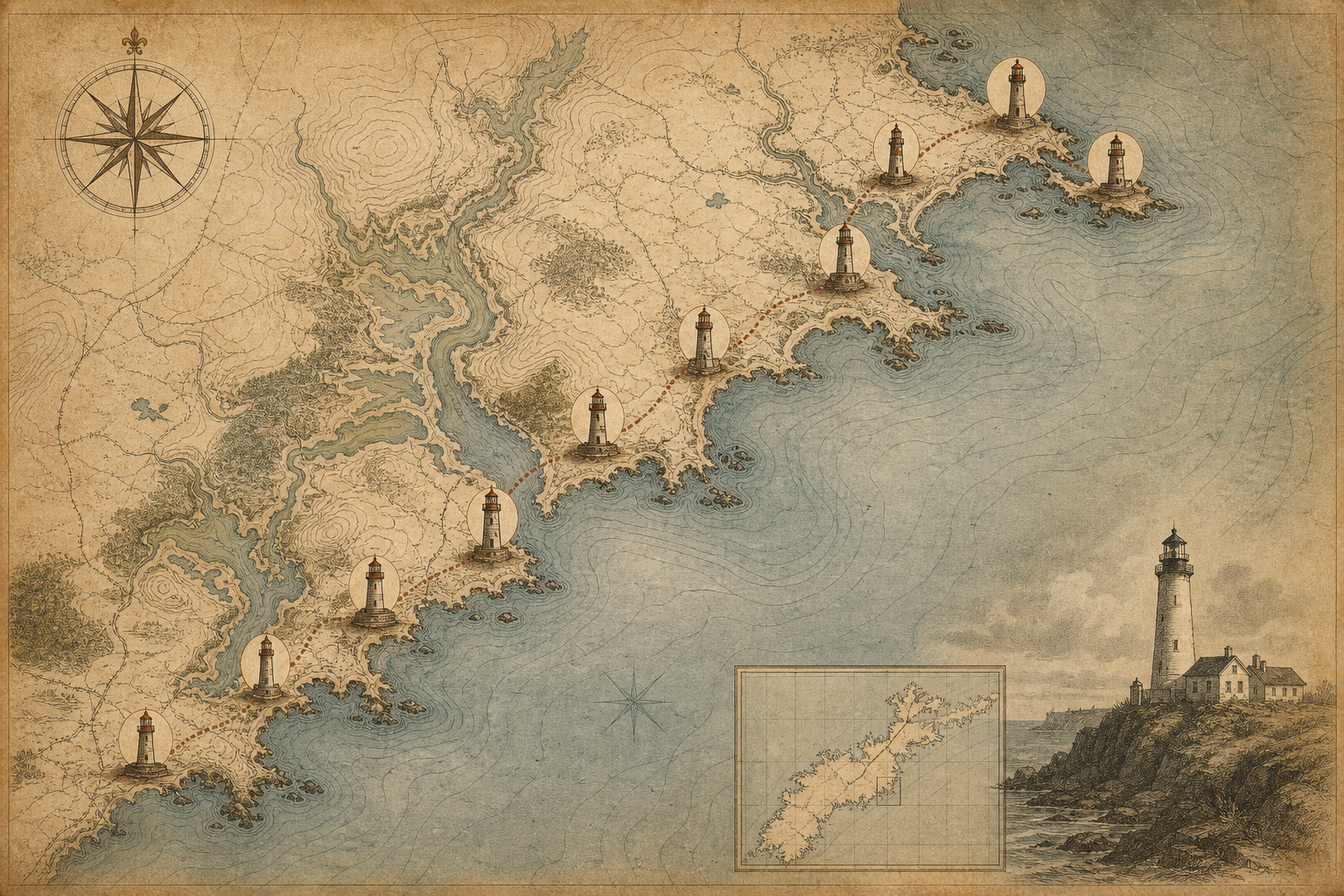
Preservation map: towers across the northern shoreline
A map-led reference to where preserved lights stand today, connecting tower history to coastlines, inlets, and working routes.
Visiting notes
Practical guidance for respectful lighthouse visits along the northern coast.
Can I access every preserved lighthouse site directly?
No. Some towers are viewable only from public roads, beaches, or harbor paths. Always follow posted boundaries and use marked public access points.
How quickly can coastal weather change during a visit?
Conditions can shift within minutes, especially with fog, wind, and spray. Bring a windproof layer and check local marine forecasts before setting out.
What preservation etiquette should visitors follow?
Please leave stonework, lantern fittings, and station grounds exactly as found. Avoid climbing barriers, keep to paths, and carry out everything you bring in.
Are there expectations for photography at these sites?
Photography is usually welcome from public viewpoints. Be mindful of residents, restoration crews, and nesting wildlife, and avoid blocking narrow paths with tripods.
When is the most reliable season for coastal visits?
Late spring through early autumn offers longer daylight and steadier paths, while winter visits can be dramatic but more exposed to closures and rough conditions.